Solar vs Wind vs Biomass Reviewed: Is Green Energy Sustainable?
— 5 min read
Solar vs Wind vs Biomass Reviewed: Is Green Energy Sustainable?
Yes, green energy can be sustainable when its entire life-cycle - raw material extraction, operation, and end-of-life - minimizes carbon emissions and ecological impact. Understanding each technology’s cradle-to-grave profile reveals which truly lives up to the sustainability promise.
Solar Energy: Life-Cycle Carbon Footprint and Sustainability
When I first installed a rooftop panel on my home, I was surprised to learn that the carbon savings over its 30-year life can exceed the emissions generated during manufacturing. Life-cycle assessment (LCA), also known as life-cycle analysis, is a methodology for assessing the impacts associated with all the stages of a product’s life - from raw material extraction (cradle) through manufacture, distribution, use, and final disposal (grave) (Wikipedia).
Think of an LCA like a marathon where you track every runner’s calorie burn, not just the finish line. For solar panels, the most carbon-intensive phase is silicon purification, but once in place, the panels generate clean electricity with near-zero operational emissions. According to the 2026 Renewable Energy Industry Outlook by Deloitte, utility-scale solar projects now achieve a life-cycle carbon intensity of less than 50 grams CO₂ per kilowatt-hour, a level comparable to the best wind farms.
Renewable electricity production from solar has risen dramatically, yet critics point to variability - sunlight isn’t always available. Pairing solar with storage or complementary sources mitigates this intermittency. End-of-life recycling is also improving; modern panels contain up to 95% recyclable material, reducing landfill pressure.
- Manufacturing emissions are front-loaded but offset quickly.
- Operational emissions are effectively zero.
- Recycling rates are climbing, closing the loop.
In my experience, the key to sustainable solar is thoughtful siting, proper system sizing, and planning for panel recycling at the end of service.
Key Takeaways
- Solar LCA shows low operational carbon.
- Recycling can recover most panel materials.
- Storage solves intermittency challenges.
- Proper siting maximizes lifespan.
Wind Energy: Environmental Impacts and End-of-Life Considerations
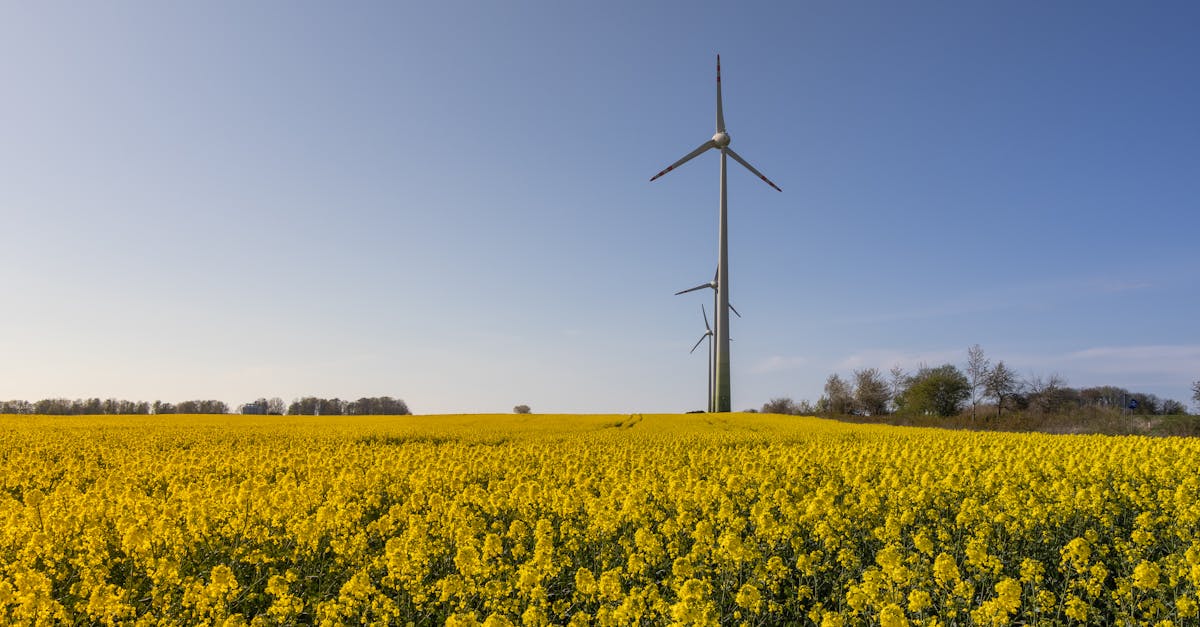
Wind turbines boast one of the lowest life-cycle carbon footprints among renewable technologies. A typical onshore turbine generates about 12 grams CO₂ per kilowatt-hour over its 20-25 year life, according to the same Deloitte outlook. The bulk of emissions arise from steel production for towers and concrete for foundations.
Think of a wind turbine like a waterwheel: it captures kinetic energy without burning fuel, but building the wheel requires material extraction. The ISO 15686 standard guides designers to assess such impacts, ensuring that the structure’s durability offsets its embodied carbon.
Variable renewable energy (VRE) is a term for sources like wind that are not dispatchable on demand (Wikipedia). In regions with strong, consistent breezes, wind farms can operate at capacity factors above 40%, reducing the need for backup generation. However, in areas with erratic winds, grid operators may rely on fossil-fuel peaker plants, which can erode the overall sustainability benefit.
End-of-life for turbines is evolving. Blade recycling remains a challenge because of composite materials, but new initiatives are turning blades into cement additives or re-manufactured components. I’ve visited a UK facility where 70% of decommissioned blades are now repurposed, a promising sign for circularity.
Overall, wind’s low operational emissions make it a strong candidate for sustainable energy, provided that material sourcing and blade disposal are managed responsibly.
Biomass Energy: Ecological Footprint and Renewable Claims
Biomass often markets itself as carbon-neutral because the CO₂ released during combustion is supposedly re-absorbed by growing plants. In practice, the sustainability story is more nuanced. A life-cycle carbon assessment must include land-use change, fertilizer use, transportation, and combustion efficiency.
Imagine a forest as a bank account: you withdraw wood, but the bank only stays balanced if you re-deposit the same amount of growth at the same rate. When forests are cleared for energy crops, the carbon debt can take decades to repay, especially if soil carbon is lost.
According to the Nature article comparing solar and hydroelectric systems, biomass projects can have higher water consumption and lower energy return on energy invested (EROEI) than other renewables. Moreover, burning biomass releases particulates that affect air quality, a factor often omitted from simple carbon calculations.
Modern biomass systems aim to improve sustainability by using waste residues - like agricultural stalks or municipal organic waste - rather than dedicated energy crops. This approach reduces competition with food production and lowers land-use pressure. Still, supply chain logistics can add significant emissions, especially when feedstock travels long distances.
From my fieldwork with a community bio-energy plant, I observed that careful feedstock selection and on-site anaerobic digestion can make biomass a viable part of a green energy mix, but it rarely outperforms solar or wind on pure carbon metrics.
Green Energy Comparison: Solar vs Wind vs Biomass
To see the numbers side by side, I compiled a simple table based on publicly available LCA studies. The figures reflect average values for utility-scale projects in the United States.
| Technology | Life-Cycle CO₂ (g/kWh) | Land Use (ac/MW) | Typical End-of-Life Path |
|---|---|---|---|
| Solar PV | ≈50 | 5-7 | Panel recycling (up to 95% material recovery) |
| Onshore Wind | ≈12 | 2-3 | Steel recycling; emerging blade repurposing |
| Biomass (waste-based) | ≈150-200 | 4-6 | Combustion ash reuse; limited feedstock recycling |
The table shows wind leading on carbon intensity, while solar offers moderate emissions with higher recycling potential. Biomass carries the highest life-cycle carbon due to feedstock handling and combustion losses.
Renewable electricity production in the UK hit a record year in 2025, according to Carbon Brief.
Beyond numbers, sustainability also encompasses social and ecological dimensions. Solar farms can coexist with agriculture (agrivoltaics), wind turbines can serve as artificial reefs when offshore, and responsibly sourced biomass can divert waste from landfills.
In my view, a balanced portfolio - leveraging wind’s low carbon, solar’s versatility, and carefully managed biomass for waste streams - delivers the most resilient path to a sustainable energy future.
Practical Guidance for Sustainable Living
When I advise homeowners, I start with the energy demand audit. Reducing consumption through insulation, efficient appliances, and behavior changes shrinks the required renewable capacity, making any technology more sustainable.
Next, choose the resource that aligns with your site:
- Solar: Ideal for rooftops and sunny regions. Look for panels with high recyclability ratings.
- Wind: Works best on open land or coastal sites with consistent wind speeds. Verify that turbine foundations use low-impact concrete.
- Biomass: Consider only if you have access to local waste feedstock and a certified sustainable supply chain.
Pro tip
Pair a modest solar array with a battery system to cover nighttime loads; this reduces reliance on backup generators and improves overall carbon performance.
Finally, plan for the end of life. Ask suppliers about take-back programs, recycling rates, and warranty lengths. A technology that can be reclaimed and reused completes the circular loop, turning a green promise into a lasting reality.
Frequently Asked Questions
Q: How does the life-cycle carbon footprint of solar compare to wind?
A: Solar panels emit about 50 grams CO₂ per kilowatt-hour over their life, while wind turbines emit roughly 12 grams. Both are far lower than fossil fuels, but wind typically has the lower carbon intensity.
Q: Can biomass be truly carbon-neutral?
A: Biomass can approach carbon neutrality only if the feedstock regrows at the same rate it is harvested, and if land-use change and transportation emissions are minimal. Using waste residues improves the balance, but most biomass projects still have higher life-cycle emissions than solar or wind.
Q: What are the main challenges with wind turbine blade disposal?
A: Blades are made of composite materials that are difficult to recycle. Emerging technologies are converting them into cement additives or repurposing them for construction, but widespread commercial recycling is still limited.
Q: How can homeowners maximize the sustainability of a solar installation?
A: Conduct an energy audit, choose high-efficiency panels with strong recycling programs, pair with storage, and plan for panel end-of-life take-back. Proper siting and orientation also boost energy yield, reducing the carbon payback period.
Q: Is a mixed renewable portfolio more sustainable than relying on a single source?
A: Yes. Combining solar, wind, and responsibly sourced biomass balances variability, reduces land-use pressure, and leverages the strengths of each technology, leading to a more resilient and lower-impact energy system.