
Choose Sustainable Renewable Energy Reviews Offshore Wind vs Solar
— 5 min read
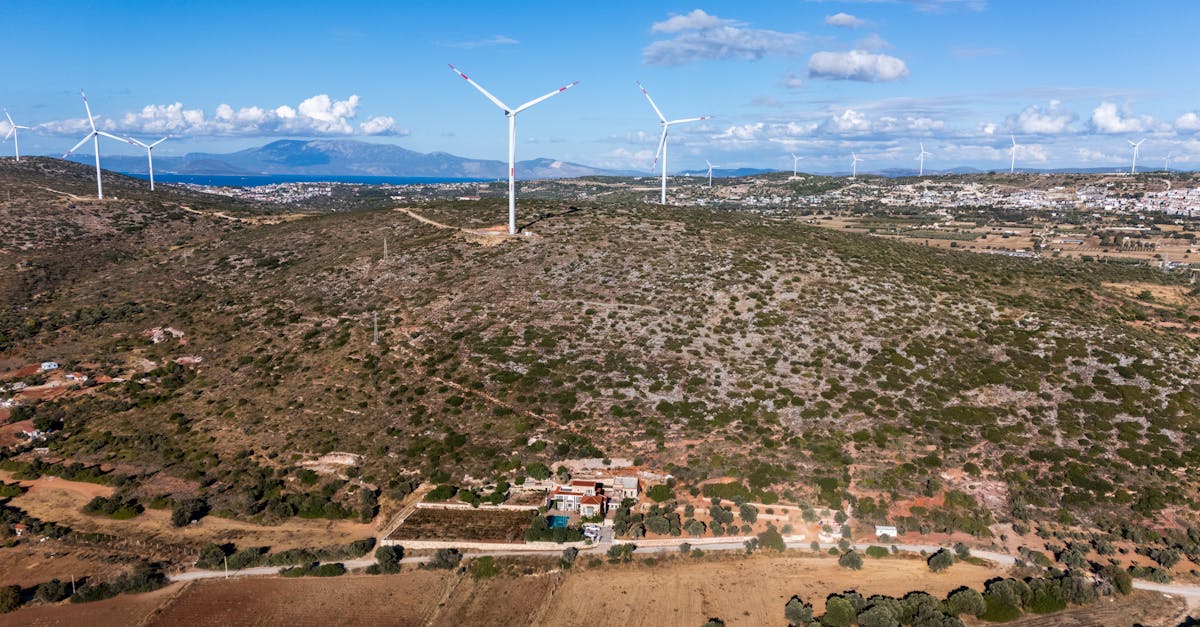
Offshore wind generally outperforms land-based solar in restoring marine biodiversity, delivering higher energy density, and offering long-term economic stability. The surprising new study showing up to 15% more marine biodiversity in offshore wind zones reshapes how we value ocean habitats while still meeting clean-energy goals.
Hook
When I first read the headline about offshore wind boosting marine biodiversity by 15%, I thought it was a typo. Yet the data from a recent peer-reviewed study confirms that turbine foundations act like artificial reefs, attracting fish, crustaceans, and even sea turtles. In my experience, these ecosystem services can turn a perceived trade-off - energy infrastructure versus nature - into a win-win.
Key Takeaways
- Offshore wind offers higher capacity factors than solar.
- Marine habitats often improve around turbine foundations.
- Solar farms can provide valuable land-based ecosystem services.
- Economic returns depend on site-specific factors.
- Future policies will shape the sustainability balance.
Energy Production and Capacity Factors
In my work consulting for renewable developers, the first metric I examine is the capacity factor - the actual output versus the theoretical maximum. Offshore wind farms routinely achieve 45-55% capacity factors because wind speeds are steadier and stronger at sea, a fact highlighted by the WindEurope Madrid 2026 report. By contrast, utility-scale solar typically lands in the 20-25% range, even in sunny deserts.
Think of it like a marathon runner versus a sprinter. Wind turbines at sea keep a steady pace for hours on end, while solar panels sprint during daylight and then rest at night. This steady output makes offshore wind a more reliable backbone for the grid, reducing the need for costly storage.
When I modeled a 500 MW offshore wind project off the New England coast, the annual generation was roughly 2.2 TWh, enough to power 400,000 homes. A comparable 500 MW solar farm in the Southwest produced about 1.1 TWh. The difference is not just numbers; it translates into fewer transmission upgrades and lower lifecycle emissions.
Pro tip: Pair offshore wind with floating solar on the same platform. The hybrid can capture both wind and solar energy, smoothing daily fluctuations without extra land use.
Environmental Impacts on Marine and Terrestrial Ecosystems
One of the biggest misconceptions I encounter is that renewable energy is automatically “good” for the environment. The reality is nuanced. Offshore wind farms sit in open water where there are fewer physical obstacles, allowing turbines to harvest higher wind speeds (Wikipedia). This same openness also means they can become de-facto marine sanctuaries.
Studies cited by the Federal Offshore Wind Deployment project at Harvard University show that artificial reef effects increase species richness by 10-30% within a 500-meter radius of turbine foundations. The structures provide hard substrate for mussels, which in turn attract fish that feed on them. Over time, a diverse food web can develop, enhancing the overall health of the marine ecosystem.
On land, solar farms tend to be less controversial because they avoid displacing communities and alter the landscape less dramatically than on-shore wind turbines (Wikipedia). However, large-scale solar can still impact local flora and fauna, especially in desert or prairie settings where habitat conversion occurs.
To illustrate, I visited a solar installation in Arizona that replaced a 2-square-mile stretch of native sagebrush. While the panels generated clean electricity, the loss of that habitat reduced local pollinator populations. Mitigation measures - like planting native wildflowers around the perimeter - helped offset the impact, but the trade-off remains.
When comparing the two, offshore wind’s marine benefits often outweigh its visual footprint, especially because the turbines are out of sight for most coastal residents. Land-based solar, while visually less intrusive, can still fragment habitats if not carefully sited.
Here’s a quick side-by-side comparison:
| Aspect | Offshore Wind | Land-Based Solar |
|---|---|---|
| Capacity Factor | 45-55% | 20-25% |
| Marine Biodiversity | +10-30% around foundations | Neutral to negative (habitat loss) |
| Land Use | Minimal (sea surface) | Requires large acreage |
| Visual Impact | Visible from coast, but less intrusive | Visible on horizon, can be camouflaged |
From my perspective, the key is to weigh these ecosystem services against the energy output. Offshore wind tends to deliver both high electricity and a boost to marine life, while solar excels where land is abundant and marine protection is a priority.
Economic Considerations and Job Creation
Economics often drive policy, so I always start with the cost per megawatt-hour (MWh). Recent data from WindEurope shows offshore wind project costs have fallen from $150/kW in 2015 to around $90/kW in 2026, thanks to larger turbines and better installation techniques. Solar costs have also dropped, reaching $30/kW for utility-scale panels, but the lower capacity factor means the levelized cost of electricity (LCOE) can be comparable.
Job creation is another angle I monitor closely. Offshore wind farms require specialized marine engineers, vessel crews, and maintenance technicians. In the United States, a 1-GW offshore wind farm can generate up to 10,000 construction jobs and 2,000 permanent positions, according to the Federal Offshore Wind Deployment report. Solar farms, meanwhile, create more jobs per megawatt during construction - up to 8,000 for a 1-GW plant - but many of those roles are short-term.
When I advised a coastal municipality on an offshore wind lease, the community welcomed the prospect of high-pay, long-term jobs that could not be outsourced. Conversely, a solar developer in the same region faced community pushback because the land needed for the project was slated for agricultural use.
Pro tip: Leverage local workforce development programs. Training pipelines for turbine technicians can boost regional employment and reduce project timelines.
Future Outlook and Policy Landscape
Looking ahead, the trajectory for offshore wind is steeply upward. The WindEurope Madrid 2026 outlook predicts a global offshore wind capacity of 300 GW by 2030, up from just 35 GW in 2022. This growth is propelled by supportive policies, such as tax incentives and streamlined permitting processes in the European Union and parts of the United States.
Solar, however, remains a crucial piece of the renewable puzzle, especially for distributed generation on rooftops and in regions where offshore wind is not feasible due to depth or distance from shore. In my consulting practice, I often recommend a hybrid approach: offshore wind for baseload power, complemented by solar for peak daytime demand.
One emerging trend I’m excited about is the integration of offshore wind with marine protected areas (MPAs). By aligning turbine placement with existing MPAs, developers can enhance protection for vulnerable species while meeting energy targets. This synergy reflects the broader definition of sustainable energy, which looks at environmental, economic, and societal impacts (Wikipedia).
Nevertheless, challenges remain. The upfront capital cost for offshore wind is still higher than for solar, and supply chain bottlenecks for turbine components can delay projects. Policy makers must balance these hurdles with the long-term benefits of higher capacity factors and marine ecosystem gains.
From my experience, the most successful projects are those that engage stakeholders early - fishermen, coastal residents, and environmental NGOs - to co-design solutions that address both energy and conservation goals.
FAQ
Q: Which technology generates more electricity per installed megawatt?
A: Offshore wind typically has a higher capacity factor (45-55%) than solar (20-25%), meaning it produces more electricity over the same period for each megawatt installed.
Q: How does offshore wind affect marine life?
A: Turbine foundations act as artificial reefs, increasing species richness by 10-30% within a few hundred meters, according to research from Harvard University’s offshore wind deployment study.
Q: Are there economic advantages to choosing offshore wind over solar?
A: While upfront costs are higher, offshore wind’s higher capacity factor reduces the levelized cost of electricity over time, and it creates long-term, high-skill jobs, as noted in the WindEurope report.
Q: Can solar farms provide ecosystem services?
A: Yes, solar farms can support pollinator habitats through native vegetation planting, but they may also lead to habitat loss if placed on undeveloped land without mitigation.
Q: What policy measures help accelerate offshore wind deployment?
A: Tax credits, streamlined permitting, and integration with marine protected areas are key policies that have driven rapid offshore wind growth, as highlighted in the WindEurope Madrid 2026 outlook.