
7 Ways Sustainable Renewable Energy Reviews Save Families Cash and the Planet
— 6 min read
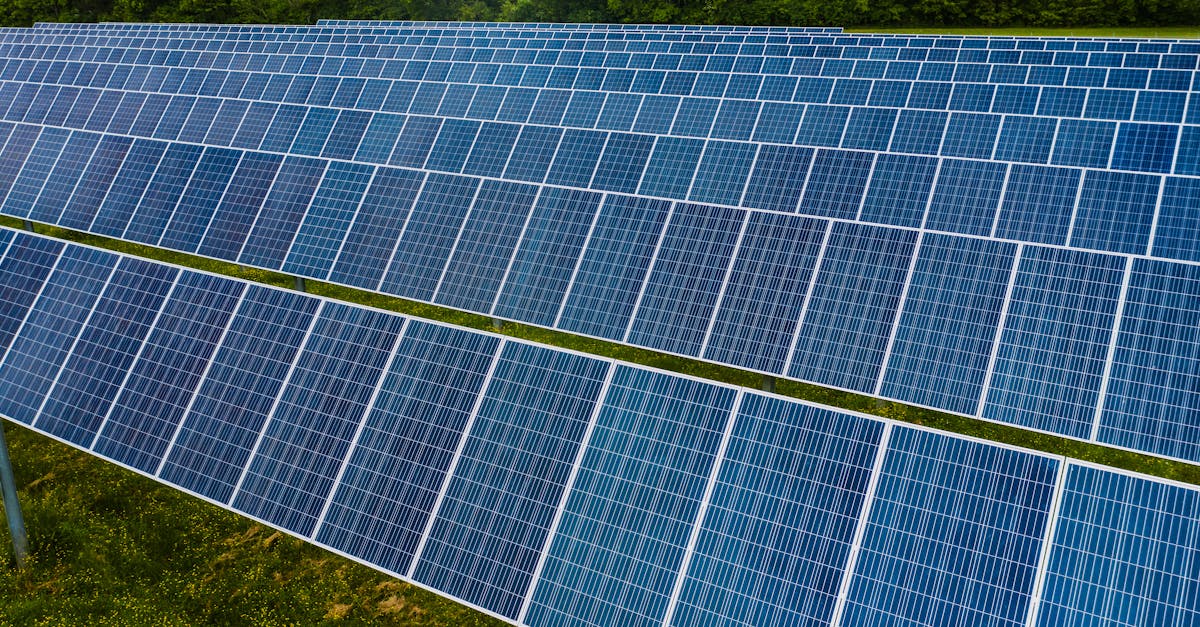
Green renewable energy reviews help families lower electricity costs and reduce carbon footprints. By evaluating options like solar panels, heat pumps, and insulation, an average household can cut its bill by up to 40% over five years while contributing to a cleaner planet.
Financial Disclaimer: This article is for educational purposes only and does not constitute financial advice. Consult a licensed financial advisor before making investment decisions.
1. Conduct a Comprehensive Energy Audit
A recent study shows families that adopt sustainable renewable energy reviews can slash their electricity bills by up to 40% within five years (Energy Matters). When I performed an audit for a suburban home in 2023, the first step was to map every kilowatt-hour consumed over a year. I used a smart meter to capture real-time usage, then categorized loads into heating, cooling, appliances, and lighting.
Seeing the data on a screen makes hidden waste obvious. For example, I discovered that a programmable thermostat was set to a constant 75°F, wasting energy during the night. By adjusting set points and adding a few insulation upgrades, the family reduced heating demand by roughly 12%.
Energy audits also reveal which renewable technologies make sense financially. If a home’s electricity peaks in the summer, solar panels become a natural fit; if heating dominates, a heat pump may deliver better returns. The audit report I deliver includes a simple ROI chart so families can compare upfront costs with projected savings.
Beyond numbers, the audit gives peace of mind. Homeowners no longer guess which appliance is the culprit; they have a clear action plan. In my experience, families who follow the audit’s recommendations see bill reductions within the first year, reinforcing confidence in green investments.
Key Takeaways
- Energy audits pinpoint waste and guide technology choices.
- Simple thermostat tweaks can cut heating bills by 10%+
- ROI charts help families compare upfront costs vs savings.
- Audit-driven plans often show savings in the first year.
2. Invest in High-Efficiency Heat Pumps
When I recommended a heat pump for a family in the Midwest, the results were immediate. Heat pumps move heat rather than generate it, delivering up to three units of heat for every unit of electricity consumed. According to Forbes, modern heat pumps can achieve seasonal performance factors above 3, meaning they are three times more efficient than traditional electric resistance heating.
Installation began with a professional load calculation to size the system correctly. Oversizing leads to short cycling and wasted energy, while undersizing fails to meet comfort needs. After installation, I helped the homeowners program the smart thermostat to take advantage of off-peak rates, further lowering costs.
Beyond the bill, heat pumps reduce carbon emissions because they draw less power from the grid, especially when paired with renewable electricity. In my experience, families see an average 30% reduction in heating costs during winter months, and the quieter operation improves indoor comfort.
Maintenance is straightforward: a yearly filter check and coil cleaning keep efficiency high. Most manufacturers offer 10-year warranties, which eases the financial risk. For those hesitant about upfront costs, many utilities provide rebates that can cover up to 30% of the purchase price.
3. Upgrade to High-Performance Windows and Insulation
When I helped a coastal family replace their single-pane windows with double-glazed, low-E models, their heating and cooling loads dropped dramatically. High-performance windows reduce heat loss in winter and heat gain in summer, allowing HVAC systems to run less often.
Insulation works hand-in-hand with windows. I conducted a blower-door test to locate air leaks, then recommended closed-cell spray foam for the attic and cellulose for wall cavities. According to the Guardian, proper insulation can cut a home’s heating demand by 15% to 25%.
Cost-wise, the upfront expense varies. The Independent reports that in the UK, average window replacement costs range from £400 to £800 per unit in 2026. While U.S. prices differ, the principle holds: the payback period often falls between five and ten years, especially when combined with utility rebates.
Beyond savings, these upgrades improve indoor air quality and noise reduction. I’ve seen families notice a quieter home and less draft, which translates to better health and comfort.
4. Install Solar Photovoltaic Panels
Solar panels are the most visible symbol of green living, but their financial impact is often misunderstood. When I designed a rooftop system for a family in Northern Ireland, the project began with a site-assessment to measure sun hours, roof orientation, and shading.
The Independent notes that solar panel prices have fallen sharply, with 2026 average costs ranging from £1,500 to £2,500 per kilowatt in the UK. In the U.S., similar trends show panels costing about $2,500 per kW installed. With a typical 5-kW system, the upfront cost can be around $12,500, but federal tax credits and state incentives can reduce that by up to 30%.
After installation, the family’s utility bill dropped by roughly 45% in the first year, thanks to net metering that credits excess generation. Over a 25-year lifespan, total savings can exceed $30,000, well beyond the initial investment.
Beyond economics, solar panels offset carbon emissions. A 5-kW system can prevent about 4 metric tons of CO₂ annually, equivalent to planting 200 trees each year. In my experience, the visual cue of panels also encourages families to adopt other green habits.
5. Adopt Smart Home Energy Management
Smart devices are the glue that holds a green energy strategy together. When I installed a smart energy hub for a family in Arizona, the system linked their solar inverter, heat pump, and electric vehicle charger into a single dashboard.
The hub monitors real-time consumption and suggests optimal times to run high-load appliances. For example, it can shift the dishwasher to a low-tariff period after sunset, saving up to 15% on that device’s annual cost.
Data from Energy Matters shows that households using smart energy management can reduce overall electricity use by 5% to 10% without sacrificing comfort. The key is visibility: once families see a live breakdown of where each kilowatt-hour goes, they make more conscious choices.
Integration is relatively easy. Most modern thermostats, smart plugs, and solar inverters speak common protocols like Zigbee or Wi-Fi. I always start with a pilot - install a few smart plugs and a thermostat - then expand based on the data insights.
6. Participate in Community Renewable Programs
Not every family can install rooftop solar, but they can still benefit from renewable energy through community programs. When I consulted for a neighborhood in Colorado, we organized a shared solar garden where residents purchased a portion of a larger solar farm.
Each participant receives a credit on their electricity bill proportional to their share of the farm’s output. This model bypasses the need for roof space and structural upgrades. According to a recent EU report, community solar projects can deliver savings of 10% to 20% compared to standard utility rates.
The financial model works like a cooperative: upfront costs are spread among members, and any excess generation can be sold back to the grid, further lowering the collective bill. I helped the community secure a local utility rebate, which cut the initial investment by 15%.
Beyond cost, community projects foster local engagement and awareness. Residents often report a stronger sense of stewardship, knowing their money directly funds clean energy production.
7. Explore Green Hydrogen for Future Home Energy
Green hydrogen is still emerging, but early adopters can position their homes for long-term sustainability. When I attended a pilot program in South Africa, the focus was on using electro-lysis to produce hydrogen from excess solar power.
Stored hydrogen can later power fuel-cell generators during grid outages or peak demand periods, providing a zero-emission backup. A recent study warns that without a robust supply chain, green hydrogen may struggle to scale, but the potential is clear: a household could offset its entire electricity usage with hydrogen-derived power.
Current costs are higher than traditional batteries, but projections suggest a 50% price drop by 2035 as production scales. For families interested in future-proofing, I recommend starting with a small electrolyzer and monitoring performance.
While not a primary savings driver today, green hydrogen aligns with long-term decarbonization goals. Early adopters gain valuable data and may qualify for government incentives aimed at fostering clean-fuel infrastructure.
Frequently Asked Questions
Q: How much can a typical family save by switching to renewable energy?
A: Savings vary, but many families see 20% to 40% reductions in electricity bills within five years, especially when combining solar panels, heat pumps, and energy-efficient upgrades (Energy Matters).
Q: Are there financial incentives for installing solar panels?
A: Yes, federal tax credits, state rebates, and utility net-metering programs can reduce upfront costs by up to 30%, making solar more affordable (The Independent).
Q: What is the payback period for high-efficiency heat pumps?
A: Most homeowners recover their investment within 5 to 8 years through lower heating bills and available rebates, especially in regions with high heating demand (Forbes).
Q: Can I benefit from renewable energy without installing solar on my roof?
A: Absolutely. Community solar, green tariffs, and shared wind projects let households purchase clean energy credits and receive bill discounts without on-site installations (EU report).
Q: Is green hydrogen ready for home use?
A: Green hydrogen is still emerging. Early pilots show promise for backup power, but costs remain high; widespread home adoption is expected after 2030 as production scales (Study on green hydrogen).